
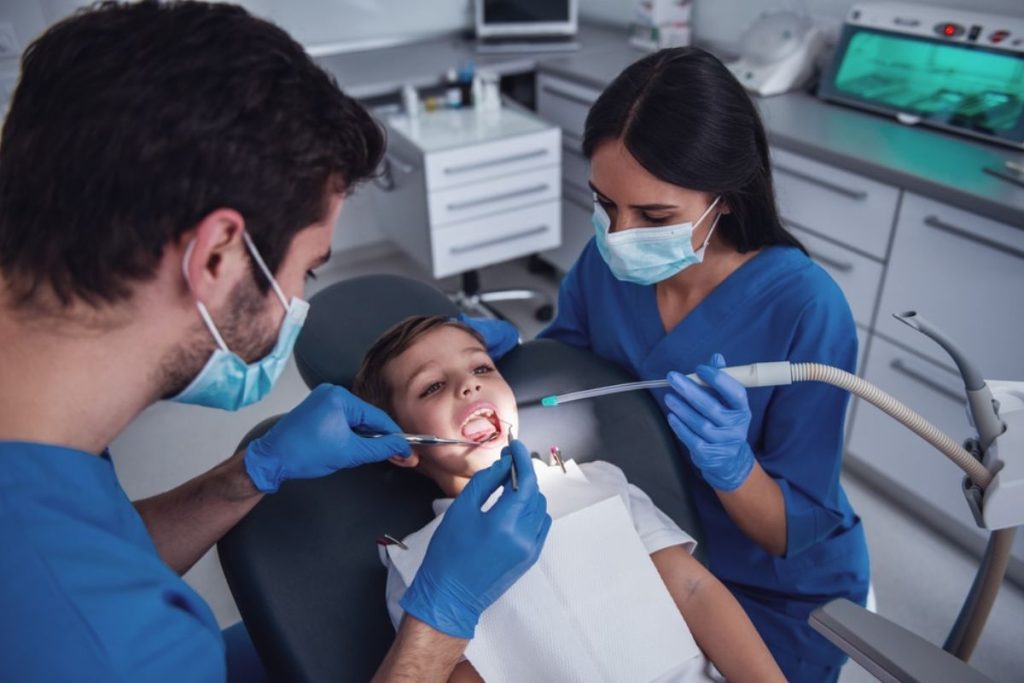
Accidents happen, especially with young children who are still exploring their environment. One moment, they’re playing on the playground or running in the living room, and the next, you’re holding a small baby tooth in your hand, wondering what to do. If your child knocks out a baby tooth, staying calm and acting quickly can make a huge difference in ensuring their comfort and protecting their oral health.
Understanding the Nature of Baby Teeth Loss
Baby teeth, also called primary teeth, are meant to fall out eventually. But when one is knocked out due to trauma—rather than coming out naturally—it becomes a dental emergency. Unlike adult teeth, baby teeth are not typically re-implanted, but prompt care is still essential. Improper handling can affect the underlying permanent tooth and cause complications like infections or speech development delays.
Knowing how to respond when your child experiences dental trauma is crucial. You may only have a few minutes to reduce pain, bleeding, or long-term damage.
What to Do Immediately After an Injury
If your child’s baby tooth is knocked out, begin by gently rinsing their mouth with lukewarm water. If there’s bleeding, apply light pressure using a clean piece of gauze or a soft cloth. Help your child stay calm—fear and anxiety can make the situation feel even worse.
It’s important not to try to put the baby tooth back into its socket. This is a key difference from adult tooth injuries. Reinserting a baby tooth can cause damage to the developing permanent tooth underneath. Instead, keep the tooth if possible and take it with you when you visit the dentist. It may help in assessing the impact or guiding follow-up treatment.
When to Call a Pediatric Emergency Dentist
Though baby teeth don’t need to be reattached, your child still needs to see a dental professional as soon as possible. The dentist will check for damage to the gums, jawbone, and surrounding teeth. This is where having access to a kids emergency dentist in Cottonwood can make all the difference. A quick assessment ensures that there are no underlying issues and can help manage your child’s pain and anxiety.
In many cases, the dentist may recommend follow-up X-rays to make sure the permanent tooth developing underneath is unharmed. They may also prescribe medication to prevent infection or suggest dietary changes to allow the mouth to heal more comfortably.
Watch for Signs That Require Further Attention
After the visit, keep an eye on your child’s symptoms. If they develop swelling, prolonged pain, fever, or difficulty eating, another dental evaluation may be necessary. It’s always better to err on the side of caution when it comes to your child’s dental health, especially after trauma.
You’ll also want to monitor how the surrounding teeth shift or move following the injury. Losing a baby tooth early may sometimes require space maintainers or monitoring to ensure the proper growth of permanent teeth.
Trust Local Pediatric Experts for Gentle Emergency Care
Having a trusted provider close by is essential for handling childhood dental injuries with care and confidence. Around the Mountain Pediatric Dentistry offers compassionate emergency care tailored specifically for children in Cottonwood. With a calm approach and a child-friendly atmosphere, they make a stressful situation easier for both kids and parents.
Whether your child experiences a knocked-out tooth or another dental emergency, their team is equipped to respond quickly and gently.
Stay Prepared, Stay Calm
Every parent hopes they’ll never need to deal with a dental emergency, but knowing what to do when a baby tooth gets knocked out can make a world of difference. Responding quickly, contacting your local pediatric dentist, and following up with aftercare will protect your child’s oral health and help you both breathe a little easier during a stressful moment.