
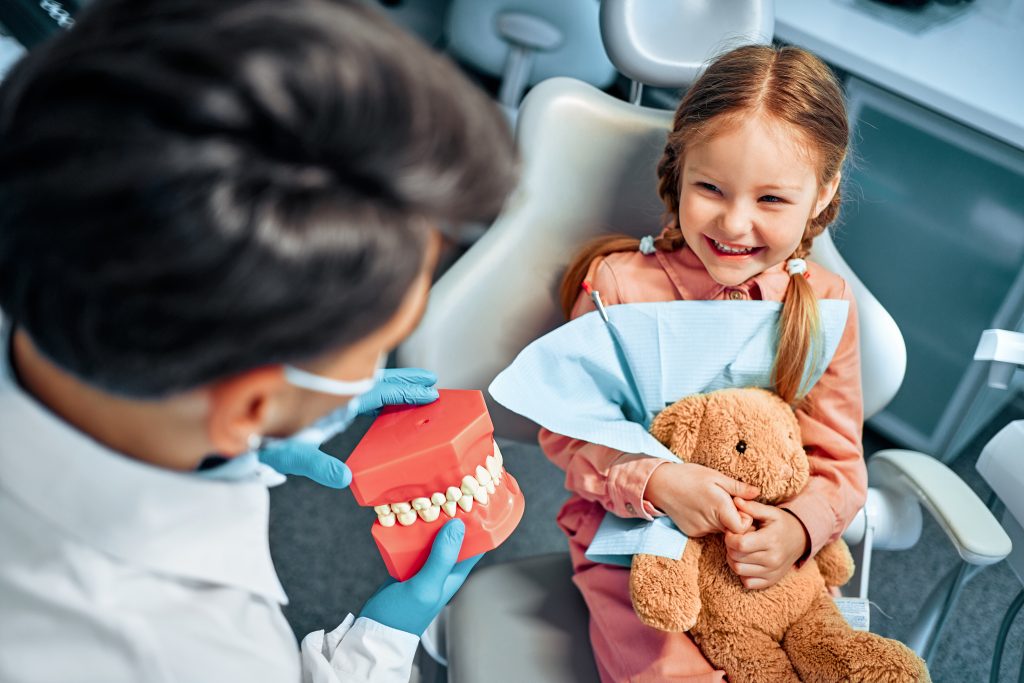
For many parents, taking a child to the dentist for the first time can feel unpredictable. Some children walk into the office curious and excited, while others become nervous before they even sit in the chair. What many families in Cottonwood may not realize is that those first few dental visits often shape how children feel about oral healthcare for years to come.
A child who feels calm, supported, and understood during early appointments is far more likely to develop healthy habits and maintain regular dental care as they grow older. On the other hand, stressful or negative experiences can create anxiety that follows them well into adulthood.
This is why families often search for a trusted kid-friendly dentist that parents rely on to create positive dental experiences from the very beginning.
Why Early Dental Visits Matter More Than Parents Think
Many parents assume dental visits are only necessary once a child develops a problem. In reality, preventive care and early familiarity with the dental office can make a major difference in both oral health and emotional comfort.
When children visit the dentist regularly at a young age, they begin to view appointments as a normal part of staying healthy rather than something to fear.
Early visits also help children:
- Become comfortable with dental tools and sounds
- Learn healthy brushing habits
- Build trust with the dental team
- Reduce fear of future procedures
- Identify small issues before they worsen
Children who grow up feeling comfortable at the dentist often carry those habits into adulthood.
Dental Anxiety Often Starts Earlier Than Expected
Fear of the dentist does not always begin because of pain. Sometimes anxiety develops simply because children are unfamiliar with the environment.
Bright lights, new sounds, unfamiliar equipment, and sitting still for long periods can feel overwhelming for younger children. If parents are already anxious about dental care themselves, children often pick up on those emotions quickly.
Families in Cottonwood lead active lifestyles filled with school events, sports, hiking trips, and outdoor activities around the Verde Valley. Busy schedules sometimes cause dental visits to feel rushed or stressful, especially when appointments only happen during emergencies.
Creating calm and positive experiences early helps reduce that pressure later.
What Makes a Child Feel Comfortable During Dental Visits?
Children respond strongly to environment, communication, and emotional tone. Small details often have a big impact on how safe they feel.
A supportive pediatric-friendly dental experience may include:
- Gentle communication
- Friendly introductions
- Positive reinforcement
- Age-appropriate explanations
- Calm appointment pacing
- Encouragement instead of pressure
Many children simply want reassurance that they are safe and understood.
Parents also play an important role. Staying calm, using positive language, and avoiding words associated with fear can help children feel more relaxed before appointments.
Positive Visits Help Build Better Oral Habits at Home
Children who enjoy dental visits are usually more cooperative with oral care routines at home.
Brushing and flossing become easier when kids understand why those habits matter instead of associating oral care with fear or punishment.
Parents can encourage stronger habits by:
- Creating consistent brushing routines
- Using music or timers while brushing
- Letting children choose their toothbrush
- Celebrating healthy habits positively
- Leading by example
Small daily routines often shape lifelong oral health more than parents realize.
Preventive Care Helps Children Avoid More Stressful Procedures
One major advantage of early dental care is prevention. Regular checkups allow dentists to monitor oral development and identify concerns before they become more complicated.
This may help reduce the need for:
- Emergency dental visits
- Larger cavities
- Tooth infections
- More invasive treatment later
Children who only visit the dentist when pain develops are more likely to associate appointments with discomfort or fear.
Preventive care helps normalize dental visits in a calm and low-stress environment.
How Local Lifestyle Habits Affect Children’s Oral Health
Families in Cottonwood enjoy year-round outdoor activities, sports, community events, and warm weather. While these activities are great for overall health, they can also influence children’s oral habits.
Common local factors that may affect oral health include:
- Sports drinks during outdoor activities
- Frequent snacking between events
- Dry climate contributing to dehydration
- Busy school schedules are disrupting routines
- Sugary treats during community festivals and gatherings
Children who stay hydrated and maintain regular oral care routines often experience fewer dental issues over time.
Why Confidence Matters Beyond Oral Health
A healthy smile affects more than teeth alone. Children who feel confident about their smiles often feel more comfortable speaking, laughing, participating in school activities, and interacting socially.
Dental discomfort or visible oral problems may sometimes affect self-esteem during important developmental years.
Positive dental experiences help children feel empowered instead of embarrassed or fearful about oral care.
Building Trust Takes Time
Some children warm up to dental visits immediately, while others need multiple appointments before feeling fully comfortable. That is completely normal.
Patience, consistency, and supportive care all help children gradually build trust over time.
Working with a caring, kid-friendly dentist, Cottonwood families trust can help children feel more relaxed and confident during each stage of growth and development.
Simple Ways Parents Can Prepare Children for Dental Visits
Parents can help make appointments smoother with a few simple strategies.
Helpful preparation tips include:
- Talking positively about the dentist
- Scheduling appointments earlier in the day when children are rested
- Reading child-friendly books about dental visits
- Avoiding frightening stories or negative language
- Bringing a favorite comfort item if needed
Even small preparation steps can improve how children experience dental care.
Healthy Smiles Start With Positive Experiences
Children are far more likely to maintain strong oral health habits when dental care feels safe, supportive, and familiar from the beginning. Positive early experiences can shape how they approach healthcare, confidence, and self-care throughout life.
The good news is that building healthy dental habits does not require perfection. It starts with consistency, encouragement, and creating an environment where children feel comfortable asking questions and learning about their smiles.
If your child has not had a dental visit recently, now may be the perfect opportunity to help them build lifelong confidence in their oral health.
Frequently Asked Questions
At what age should children first visit the dentist?
Many dentists recommend scheduling a child’s first dental visit by their first birthday or when the first tooth appears.
Why are early dental visits important?
Early visits help children become comfortable with dental care while allowing dentists to monitor oral development and prevent future issues.
How can parents reduce dental anxiety in children?
Using positive language, staying calm, and preparing children gently before appointments often helps reduce fear.
Are baby teeth really that important?
Yes. Baby teeth help children chew properly, develop speech, and guide permanent teeth into proper position.
How often should children visit the dentist?
Most children benefit from routine dental checkups every six months unless otherwise recommended by the dentist.
Can dehydration affect children’s oral health?
Yes. Dry mouth may increase bacteria buildup and cavity risk, especially in warm climates like Arizona.