
Children are naturally active, curious, and always on the move. Whether they’re running across the playground, riding bikes through the neighborhood, or playing sports with friends, minor bumps and falls are part of growing up. In many cases, kids bounce back quickly. But sometimes, a dental injury may not be as obvious as it first appears.
A chipped tooth or bleeding gum is easy to notice. However, some dental injuries remain hidden beneath the surface. These subtle problems can affect the tooth structure, roots, or surrounding tissues without showing immediate symptoms. For parents in Cottonwood, recognizing the warning signs early can make a significant difference in protecting their child’s oral health.
Many families eventually visit a provider for a pediatric dental emergency cottonwood situation when a hidden injury begins to cause discomfort or complications later on. Knowing when to seek professional help can prevent small problems from turning into serious concerns.
Why Hidden Dental Injuries Are Easy to Miss
Kids often downplay pain or forget about minor accidents quickly. A fall during recess or a bump while playing soccer might not seem serious at first.
However, dental injuries can affect:
-
The inner pulp of the tooth
-
The root structure beneath the gums
-
Supporting bone and ligaments
-
The alignment of surrounding teeth
Because these areas are not visible, damage can develop gradually. Parents may not realize anything is wrong until swelling, sensitivity, or discoloration appears days or weeks later.
Common Situations That Can Cause Hidden Tooth Injuries
In Cottonwood, many children spend time outdoors, enjoying parks, school activities, and sports programs. While these activities support healthy development, they can sometimes lead to dental trauma.
Common situations that may cause unnoticed injuries include:
-
Falls while riding bikes or scooters
-
Playground accidents at school
-
Contact sports like soccer or basketball
-
Slips during hiking or outdoor adventures
-
Collisions during rough play with friends or siblings
Even if a tooth looks fine after the accident, internal damage may still exist.
Subtle Signs That May Indicate a Dental Injury
Not all dental injuries cause immediate pain. In fact, some symptoms may appear slowly over time.
Parents should watch for these warning signs:
Tooth Discoloration
A tooth that begins turning gray, yellow, or dark may indicate internal damage to the pulp.
Sensitivity to Temperature
If your child suddenly complains about discomfort while eating hot or cold foods, it may suggest nerve irritation.
Swelling Around the Gums
Swelling near a tooth can indicate infection or trauma beneath the gumline.
Difficulty Biting or Chewing
If your child avoids chewing on one side of the mouth, there could be underlying damage.
Loose Teeth Without an Obvious Reason
A tooth that feels slightly loose after an accident may need professional evaluation.
When these symptoms appear, it may be time to consult a dentist who handles pediatric dental emergency situations for a thorough examination.
Why Early Evaluation Matters
Dental injuries that remain untreated can lead to complications over time. Internal damage may eventually result in infection, tooth loss, or damage to developing permanent teeth.
Prompt evaluation offers several benefits:
-
Identifies internal injuries early
-
Prevents infection from spreading
-
Protects developing adult teeth
-
Reduces the need for complex treatments later
-
Helps maintain your child’s natural smile
Parents often feel relieved when a dentist confirms that a tooth is healthy after an accident. If there is damage, early care can help resolve the issue before it becomes serious.
What to Do After a Dental Accident
If your child experiences a fall or injury involving the mouth, a few simple steps can help protect their teeth until they receive professional care.
Stay Calm and Check the Mouth
Gently examine the teeth and gums for visible damage or bleeding.
Rinse the Area
Have your child rinse with clean water to remove dirt or debris.
Apply a Cold Compress
This helps reduce swelling around the lips or gums.
Avoid Hard Foods
Soft foods help prevent further pressure on injured teeth.
Monitor Symptoms
Watch for swelling, discoloration, or pain over the next several days.
If symptoms appear or worsen, visiting a dentist experienced in pediatric dental emergency care ensures your child receives proper evaluation and treatment.
How Pediatric Dentists Detect Hidden Injuries
Dental professionals use several techniques to identify injuries that cannot be seen during a basic visual exam.
These may include:
-
Digital X-rays to check root damage
-
Bite tests to evaluate tooth stability
-
Gum and tissue examinations
-
Monitoring for delayed symptoms
This careful approach helps ensure that no underlying damage goes unnoticed.
Local Activities That Increase the Risk of Dental Injuries
Cottonwood is known for its scenic surroundings and outdoor lifestyle. Families often enjoy activities like hiking near the Verde River, exploring Dead Horse Ranch State Park, or attending local sports programs.
While these experiences create wonderful memories, they can sometimes increase the chance of minor injuries.
Parents can help reduce dental injury risks by:
-
Encouraging children to wear mouthguards during sports
-
Supervising younger children during active play
-
Ensuring bikes and scooters are used with proper safety gear
-
Teaching kids safe play habits
Even with precautions, accidents can still happen, which is why knowing when to seek dental care is important.
When to Schedule an Immediate Dental Visit
While some injuries can be monitored at home, certain symptoms require prompt attention.
You should contact a dentist if your child experiences:
-
Persistent tooth pain
-
Visible tooth discoloration
-
Gum swelling or bleeding
-
A loose or shifted tooth
-
Difficulty chewing or biting
Early treatment helps protect the developing teeth and prevent future complications.
Helping Kids Feel Comfortable During Dental Emergencies
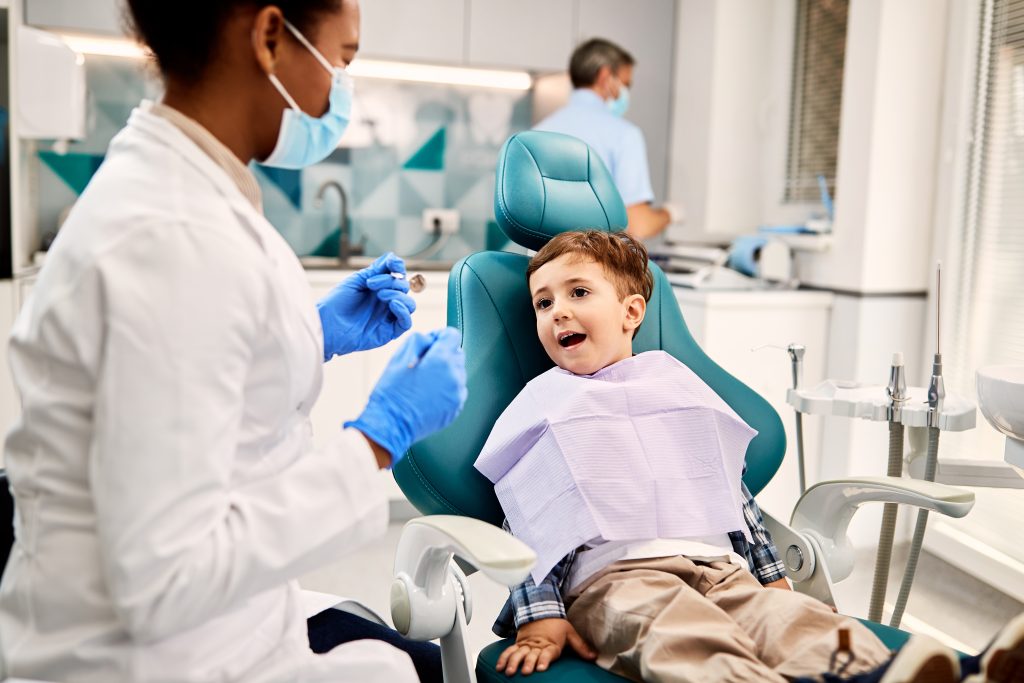
Children often feel anxious after an injury, especially if they associate dental visits with discomfort. Pediatric dentists focus on creating a calm and reassuring environment that helps young patients feel safe.
Gentle communication, child-friendly explanations, and supportive care help children relax during examinations. Parents can also help by staying calm and reassuring their child that the visit is meant to help their tooth feel better.
Protecting Your Child’s Smile
Children’s smiles are constantly developing. Even a small injury can influence how permanent teeth grow and align in the future. Paying attention to subtle symptoms after accidents ensures that hidden injuries are addressed quickly.
At Around the Mountain Pediatric Dentistry, families receive compassionate care focused on protecting children’s oral health. If your child has experienced a fall, sports injury, or unexplained tooth discomfort, scheduling an evaluation can provide peace of mind and prevent complications.
Early attention helps keep your child’s smile healthy, comfortable, and strong.
FAQs
1. Can a tooth be injured even if it looks normal?
Yes. Internal damage to the tooth pulp or root may not be visible immediately after an accident.
2. How soon should a child see a dentist after a dental injury?
If pain, swelling, or discoloration occurs, it’s best to schedule a dental visit as soon as possible.
3. What happens if a hidden dental injury is not treated?
Untreated injuries may lead to infection, tooth discoloration, or damage to developing permanent teeth.
4. Are baby teeth important if they will eventually fall out?
Yes. Baby teeth help guide permanent teeth into proper alignment and support speech and chewing.
5. How can parents prevent dental injuries in kids?
Encouraging mouthguards during sports, supervising play, and using protective gear during activities can help reduce the risk.
6. What should parents do if a child complains about tooth pain days after an accident?
A delayed symptom like pain or swelling should be evaluated by a dentist to rule out hidden damage.