
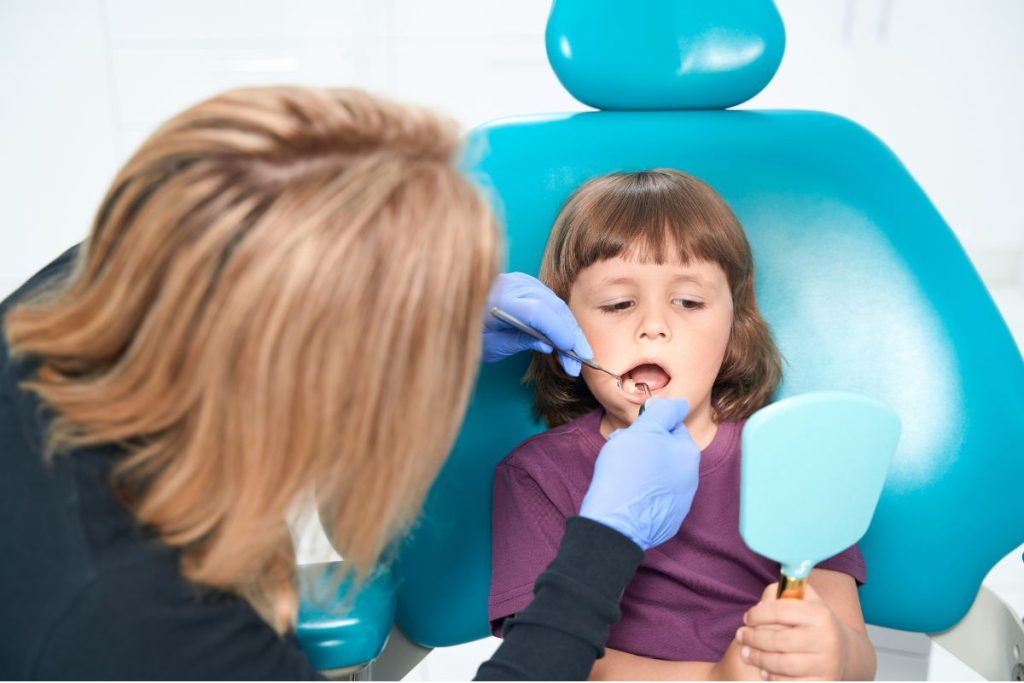
Baby tooth injuries are more common than many parents realize. Toddlers and young children naturally explore their environment by running, climbing, and playing activities that can sometimes lead to sudden slips or falls. When an injury involves the mouth, it can be stressful for both the child and the parent. The good news is that with the right knowledge, fast action, and a calm approach, you can care for your child effectively and understand when emergency dental help is needed.
Why Baby Teeth Matter More Than You Think
Some parents assume baby teeth are not a cause for concern because they eventually fall out, but they play a significant role in your child’s development. These early teeth help with chewing, clear speech, facial structure, and save space for the permanent teeth. Injury to a baby tooth can affect more than just appearance; it may impact oral health and growth if not handled correctly. Understanding how to respond helps ensure both comfort and long-term dental stability for your child.
Common Causes of Baby Tooth Injuries
Baby tooth trauma can happen anywhere—during a backyard play session, a trip to the playground, or even while learning to walk. Some of the most common causes include:
-
Slipping into the bathtub
-
Running indoors
-
Falling off scooters, bikes, or playground equipment
-
Bumping into furniture or hard surfaces
-
Accidents during sports or active games
These situations often lead to chipped, loosened, or completely displaced teeth, and each type of injury requires a slightly different response from parents.
First Steps to Take When a Baby Tooth Is Injured
The moment your child injures their mouth, your priority should be staying calm. Children often take emotional cues from their parents, so a gentle reaction can help them relax. Start by checking for bleeding. If present, gently place a clean cloth or gauze and apply light pressure until it stops. Look closely at your child’s lips, gums, and teeth to identify swelling, broken edges, or loose movement.
If your child is in pain, a cold compress on the outside of the mouth can ease discomfort and reduce swelling. Never attempt to push a loose baby tooth back into position on your own. A dental professional should evaluate it to avoid further damage. At some point during the research process, families often search for pediatric dental emergency Lakeside, a helpful way to connect with local providers who can advise them on next steps and schedule urgent treatment if needed.
What Parents Should Never Do After an Injury
When stress is high, it’s easy to act on instinct, but certain responses can cause more harm than good. Avoid the following actions:
-
Do not place aspirin directly on your child’s gums.
-
Do not attempt to force a tooth back into the socket.
-
Do not ignore swelling, discoloration, or bleeding that lasts more than a few minutes.
-
Do not wait days to seek professional advice if the tooth appears dark or loose.
By steering clear of these mistakes, you protect both the injured tooth and your child’s comfort.
When to Seek Immediate Professional Help
Not all injuries require urgent care, but certain signs indicate that a dental evaluation is necessary. Call a pediatric dentist right away if you notice:
-
A baby tooth that has been knocked out or pushed out of its normal position
-
Persistent bleeding that doesn’t stop after applying pressure
-
A cracked or fractured tooth with visible dark areas
-
Swelling that worsens after several hours
-
Signs of infection, such as fever or gum redness
Prompt evaluation helps ensure the injury is managed correctly and reduces the risk of long-term complications to the surrounding teeth and gums.
Helping Your Child Recover After Trauma
After a dental visit, your child may need a softer diet for a few days. Foods such as yogurt, mashed potatoes, soups, and smoothies can prevent discomfort while chewing. Encourage gentle brushing around the injured area and monitor the tooth over the next several weeks. Discoloration, increased mobility, or gum swelling should be discussed with your dentist as soon as possible. Your child’s emotional comfort is just as important—offer reassurance and let them know you’re there to help them heal.
Take Action Today to Protect Your Child’s Smile
If your child experiences an unexpected dental injury, getting the right guidance quickly can make all the difference in their comfort and long-term oral health. For prompt care, compassionate support, and expert treatment, the team at Around the Mountain Pediatric Dentistry is ready to assist your family with any urgent needs. Your child deserves a healthy, confident smile. Start by seeking the right care when it matters most.