
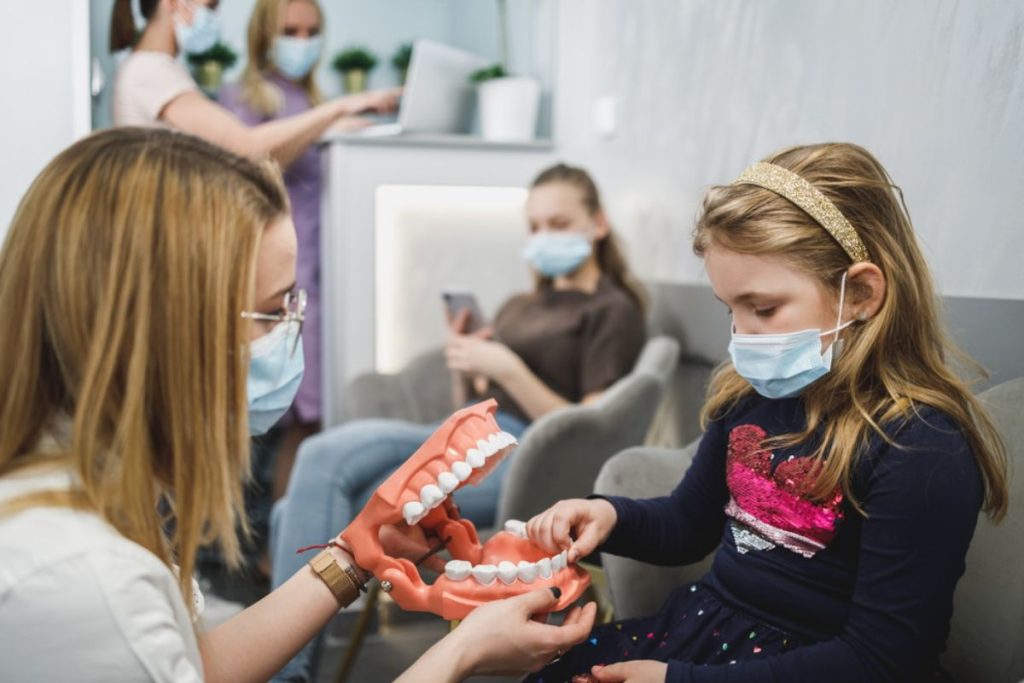
Helping children develop healthy oral habits early in life is one of the most important steps toward a lifetime of strong, confident smiles. For many parents, finding a dental practice where kids feel comfortable is just as important as the treatment itself. In recent years, play-based techniques have become a valuable tool in pediatric dentistry, allowing children to learn essential habits like brushing and flossing in a way that feels natural and enjoyable.
Why Play Matters in Dentistry
Children often learn best when they’re having fun. Traditional instructions about oral care can sometimes feel overwhelming or even scary for little ones. When dental professionals incorporate games, toys, and storytelling into their approach, kids engage more easily and retain what they learn. Play creates positive associations with dental visits, reducing fear and anxiety while encouraging curiosity about oral health.
Making Oral Care Fun
One of the main goals of a kid-friendly dentist in Flagstaff is to transform routine dental education into interactive experiences. Instead of simply explaining the importance of brushing, a dentist may use oversized toothbrushes and model teeth to demonstrate the proper technique. This hands-on approach lets children practice while laughing and exploring, which strengthens their memory of the lesson.
Storytelling is another effective method. Dentists may use playful narratives, such as “defeating sugar bugs” or “protecting tooth castles,” to help children visualize the importance of cleaning their teeth. These simple metaphors turn everyday habits into exciting adventures that children look forward to completing.
Building Confidence Through Games
Play-based dentistry isn’t just about fun—it also builds confidence. Games like “who can brush longest” or “flossing champions” encourage kids to take pride in their dental skills. Some practices reward participation with stickers or small prizes, further reinforcing positive behavior. Over time, these playful experiences help children view oral care not as a chore, but as an empowering part of their daily routine.
Creating a Kid-Friendly Environment
The environment itself plays a big role in teaching children. Colorful décor, friendly staff, and kid-focused amenities make dental visits feel less clinical and more welcoming. Many offices feature waiting areas filled with books, toys, or interactive displays that introduce dental concepts in approachable ways. This child-centered atmosphere eases nerves and encourages children to see the dentist as a supportive partner in their health.
Parental Involvement
While dentists introduce playful strategies, parents play a vital role in reinforcing them at home. After observing demonstrations in the dental office, parents can continue the same playful themes in their child’s daily routine. Singing songs while brushing, turning flossing into a “superhero mission,” or using reward charts are effective ways to keep kids engaged. This teamwork between the dentist and the parent creates consistency and helps good habits stick.
Choosing the Right Practice
When selecting a dental office for your child, it’s important to look for a practice that specializes in creating positive experiences for young patients. A practice that blends professional care with playful education ensures that children feel comfortable, safe, and excited about oral health. Around the Mountain Pediatric Dentistry is an example of a practice that understands the power of play in teaching good habits and works closely with families to encourage strong oral care routines.
Conclusion
Playful techniques have transformed the way children experience dentistry, turning potentially stressful visits into fun and engaging learning opportunities. By combining games, storytelling, and supportive environments, dentists help children form habits that will protect their smiles for years to come. For parents seeking a supportive dental home, finding a kid-focused practice ensures that learning about oral health is as enjoyable as it is essential.