
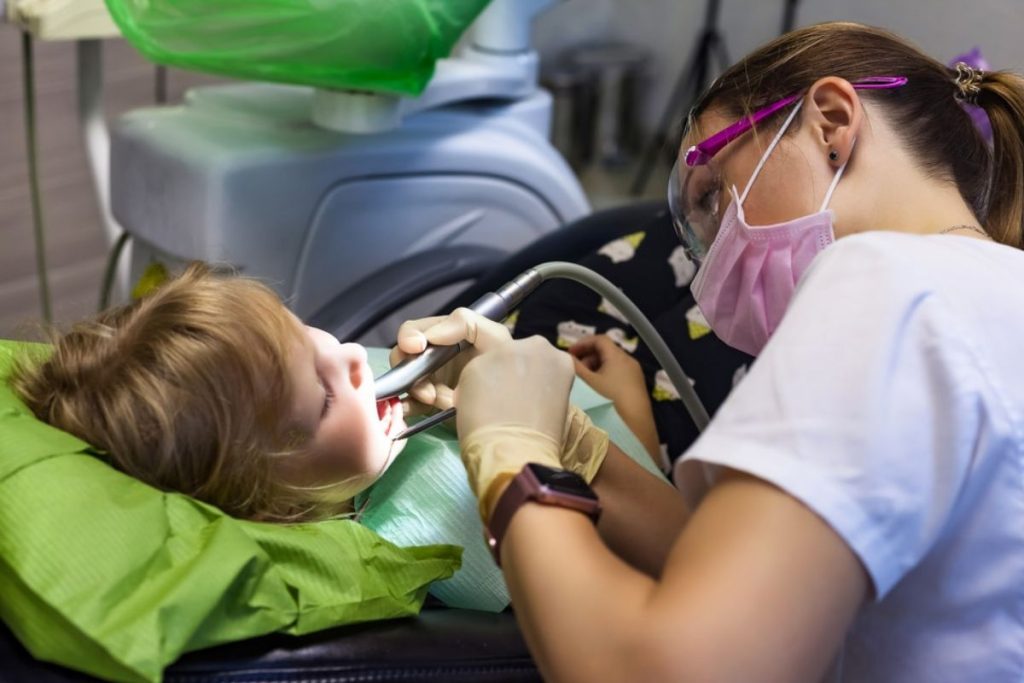
As the temperatures drop, many children start complaining about a sharp, uncomfortable sensation in their teeth when eating cold foods or simply breathing in chilly air. Cold sensitivity can be frustrating—not just for children, but also for parents unsure of how to manage it. Fortunately, working with a pediatric dental professional can help address this concern before it becomes a bigger issue.
Tooth sensitivity in children is more common than many parents realize, especially in places with seasonal temperature shifts. While it might seem like a minor discomfort, cold sensitivity can be a sign of developing dental issues that need timely attention. That’s where a pediatric dental specialist plays a key role.
Understanding Why Kids Get Sensitive Teeth
Tooth sensitivity happens when the protective enamel wears down or the gums recede, exposing the softer dentin beneath. In children, this exposure can result from several causes—some behavioral, others structural. Poor brushing habits, acidic foods and drinks, teeth grinding, or early signs of tooth decay may all contribute.
During colder months, the discomfort tends to intensify as cold air and beverages reach the tooth’s nerve through these weakened layers. If your child grimaces while eating ice cream or drinking cold water, it’s worth scheduling a dental checkup.
The Role of the Pediatric Dentist in Prevention
A pediatric dental expert doesn’t just treat dental conditions—they help children develop strong oral habits from the start. When it comes to preventing cold sensitivity, they follow a proactive approach by addressing both the symptoms and the root causes.
On the first visit, a pediatric dentist will evaluate enamel strength, gum health, and tooth alignment. These factors can contribute to how sensitive a child’s teeth are to cold or heat. With regular visits, potential issues can be identified early—before sensitivity becomes a chronic problem.
Personalized Fluoride Treatments for Enamel Strengthening
One of the most effective ways to reduce sensitivity is to reinforce the tooth enamel. Pediatric dentists offer professional fluoride treatments that strengthen enamel and make teeth more resistant to temperature changes. This is especially important for children with naturally thinner enamel or a history of frequent cavities.
At-home fluoride toothpaste may not be enough for some children, which is why in-office treatments are recommended on a case-by-case basis.
Teaching Proper Brushing Techniques
Many children brush too hard or use adult toothbrushes with stiff bristles, unknowingly damaging their enamel and irritating their gums. A pediatric dental team teaches age-appropriate brushing techniques using soft-bristled brushes that clean effectively without being abrasive.
By ensuring children clean their teeth gently and thoroughly, dentists help minimize enamel erosion and reduce sensitivity in the long run.
Addressing Hidden Causes Like Grinding or Cavities
Sometimes, cold sensitivity isn’t caused by surface issues—it stems from teeth grinding (bruxism), hidden decay, or even small fractures. Pediatric dentists are trained to spot these subtle signs early.
If your child grinds their teeth at night, the dentist may suggest a custom nightguard to protect their enamel. If a cavity is starting to form near the nerve, it can be treated before the sensitivity worsens.
Dietary Counseling for Parents
Foods and drinks with high acidity, like citrus fruits, sports drinks, and carbonated beverages, can gradually wear down enamel. Pediatric dentists guide parents and children in making tooth-friendly dietary choices that support strong, sensitivity-resistant teeth.
They may also recommend limiting cold treats during winter months or offering them in ways that reduce direct contact with sensitive areas.
Comfort-First Approach to Pediatric Care
Children with sensitive teeth may develop anxiety around dental care or eating habits. A pediatric dental practice provides a calm, welcoming environment that reduces fear while educating young patients in a way they understand.
By explaining what causes sensitivity and how it can be prevented, the dentist empowers children to take care of their oral health, even when it’s chilly outside.
Year-Round Protection Starts Early
Cold sensitivity may not always be preventable, but it’s almost always manageable. The earlier children receive personalized dental care, the better their chances of maintaining a healthy, pain-free smile through every season. A trusted pediatric dentist Flagstaff families rely on will tailor treatment and prevention plans that match each child’s unique needs—no one-size-fits-all here.