
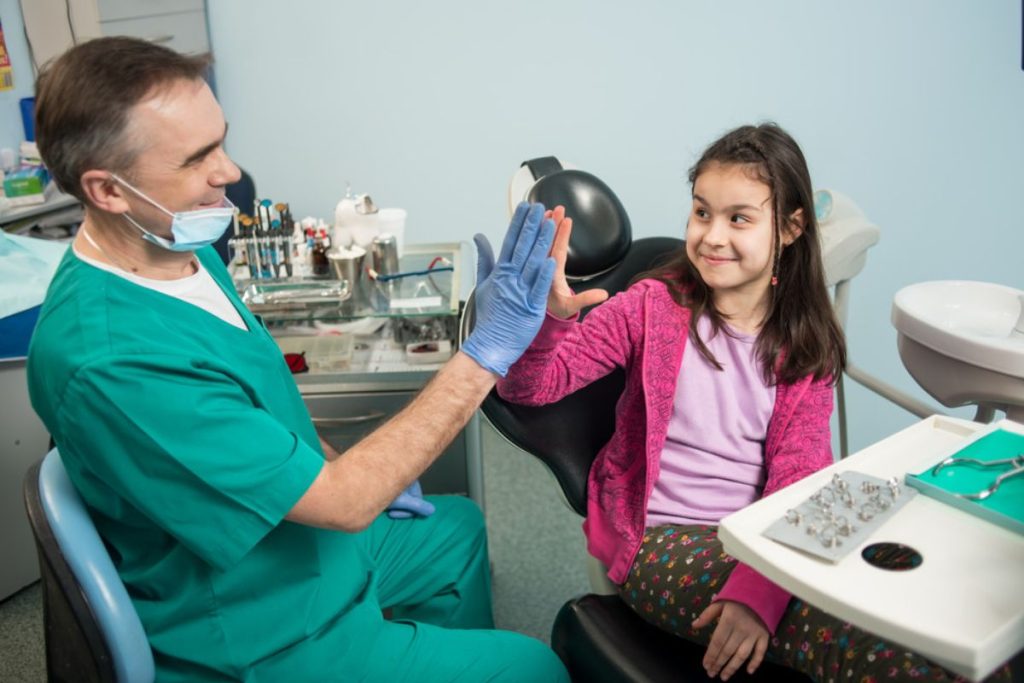
When most parents think of taking their child to the dentist, they’re focused on preventing or treating cavities. That’s a valid concern—after all, tooth decay is common in children. But pediatric dentists are trained to notice much more than just cavities. Their expertise can uncover developmental, behavioral, and health-related issues early, making your child’s dental visits a vital part of their overall well-being.
Early Detection of Developmental Delays
A pediatric dental exam isn’t just about counting teeth. Dentists are trained to evaluate the way a child’s jaw is forming, how their bite aligns, and whether their teeth are erupting at the right pace. Subtle signs in these areas can reveal potential developmental concerns. For instance, if a child’s teeth aren’t appearing on time or their bite seems misaligned, it could suggest delays in growth or skeletal development. By catching these issues early, your child may avoid more serious problems later that require orthodontic intervention or speech therapy.
Identifying Breathing and Sleep Issues
One of the more surprising things your child’s dentist might catch? Sleep and breathing disorders. Pediatric dentists are often the first to spot signs of mouth breathing, enlarged tonsils, or narrow dental arches. These clues can point to obstructive sleep apnea, a condition that can impact a child’s growth, attention span, and mood. Since these signs often go unnoticed at home, routine dental visits can serve as an unexpected line of defense against poor sleep health.
Linking Oral and Nutritional Health
Children’s eating habits show up clearly in their mouths. Excessive cavities may signal a diet high in sugar or poor nutritional habits, but pediatric dentists can also detect signs of vitamin deficiencies or dehydration. Erosion of enamel, delayed tooth development, and gum inflammation may all reflect dietary concerns. In some cases, dentists may recommend follow-up with a pediatrician or dietitian to ensure your child is getting the proper nutrients.
Detecting Habits That Could Impact Oral Health
Many children develop habits like thumb sucking, tongue thrusting, or prolonged pacifier use. While these behaviors may seem harmless early on, they can have long-term effects on bite development and jaw alignment. A pediatric dentist can spot the subtle signs these habits are leaving behind, such as changes in the roof of the mouth or misaligned front teeth, and recommend gentle behavioral strategies to help your child move past them before they cause permanent issues.
Signs of Emotional or Physical Stress
In some cases, the mouth can reveal more than just physical health—it can also reflect emotional or environmental stress. A trained pediatric dentist may observe signs of teeth grinding (bruxism), cheek chewing, or unexplained oral trauma. While not always a cause for alarm, these signs might warrant a deeper conversation about school stress, anxiety, or even potential bullying. The mouth can tell stories children don’t always share aloud, and dentists trained in child psychology are often attuned to these subtleties.
A Collaborative Approach to Total Health
The role of a pediatric dentist is holistic. They often work alongside pediatricians, orthodontists, ENTs, and speech-language pathologists to ensure that all aspects of a child’s development are on track. If an issue outside their scope is suspected, they’ll guide families toward the right specialists, creating a network of care centered around your child’s needs.
Around the Mountain Pediatric Dentistry: More Than Just a Smile
Parents looking for thoughtful, comprehensive care often find that choosing the right provider makes all the difference. At Around the Mountain Pediatric Dentistry, families gain access to a team that views oral health as a window into overall health. Their caring and thorough approach ensures children aren’t just cavity-free, but thriving in every way.
Making Every Visit Count
Routine dental checkups are more powerful than many realize. Beyond preventing cavities, they help set the stage for lifelong wellness. When your child sees a skilled pediatric dentist regularly, they’re not just getting their teeth cleaned—they’re being looked after by someone trained to see the full picture of health, growth, and development. And that’s something worth smiling about.